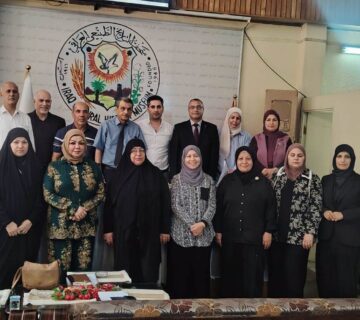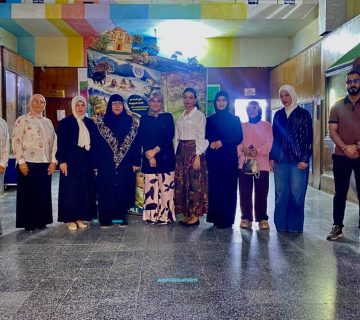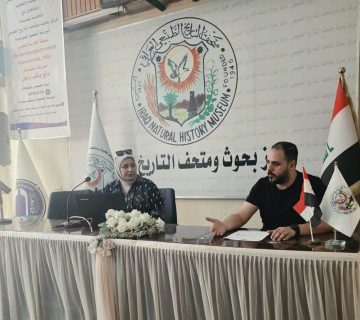

The Natural History Research and Museum Center at the University of Baghdad, with the support and guidance of its director, Assistant Professor Dr. Hanaa Hani Al-Saffar, and in cooperation with the Continuing Education Center at the University of Baghdad, organized a developmental training course entitled “Molecular Diagnostics and PCR Technology” from April 14-16, 2026. The course was presented by Assistant Lecturer Maryam Majid from the Vertebrate Department and targeted faculty members and those interested in the life sciences at the Ministry of Higher Education and Scientific Research/University of Baghdad.
This training course aimed to build a comprehensive scientific and applied foundation in the field of molecular biology and genetic technologies by establishing a theoretical understanding of genetic materials, including the structure and function of nucleic acids (DNA and RNA), their types, and their role in storing and transmitting genetic information. It also clarified the fundamental differences between prokaryotes and eukaryotes at the molecular and organizational levels.
The training course introduced participants to the most important genes used in taxonomic and molecular diagnostic studies, such as 16S rRNA, 18S rRNA, and COI. The course developed the ability to design molecular research experiments, from formulating the scientific question to selecting the appropriate gene and organism. It also provided skills in using bioinformatics databases, particularly NCBI, for extracting and analyzing gene sequences, and understanding the mechanism of polymerase chain reaction (PCR), its components, and its research and diagnostic applications.
At the end of the course, emphasis was placed on strengthening the link between theory and practice to prepare participants capable of working in biotechnology and molecular diagnostic laboratories.
The most important outcomes of the training course included encouraging trainees to use bioinformatics tools more broadly (such as BLAST, MEGA, and Primer3), emphasizing the establishment of a local database of gene sequences (especially for Iraqi organisms) to support national research, and promoting integration between academic institutions and research centers to exchange expertise and resources. The course also highlighted the necessity of following up with trainees after its completion through workshops or research groups to ensure the continuity of scientific development. Finally, it introduced quality control concepts into laboratory work to reduce errors in PCR and gene sequencing results. This activity comes within the efforts of the Natural History Research Center and Museum/University of Baghdad in supporting professional development and building training capacities, and in a way that contributes to achieving the fourth Sustainable Development Goal (quality education) and the third goal (good health and well-being).