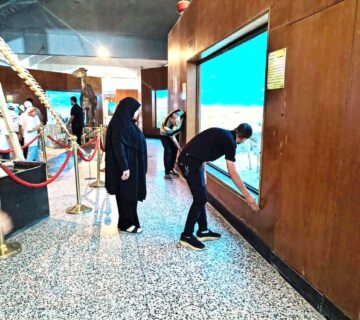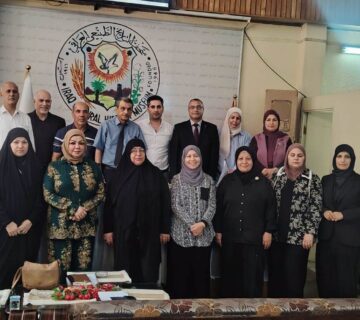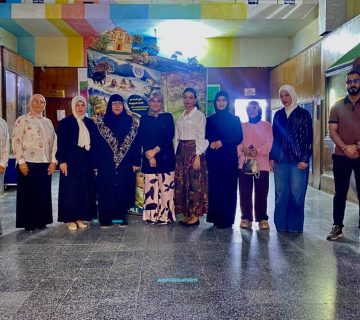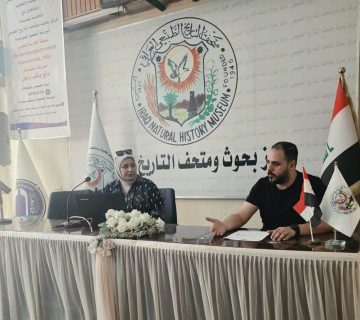
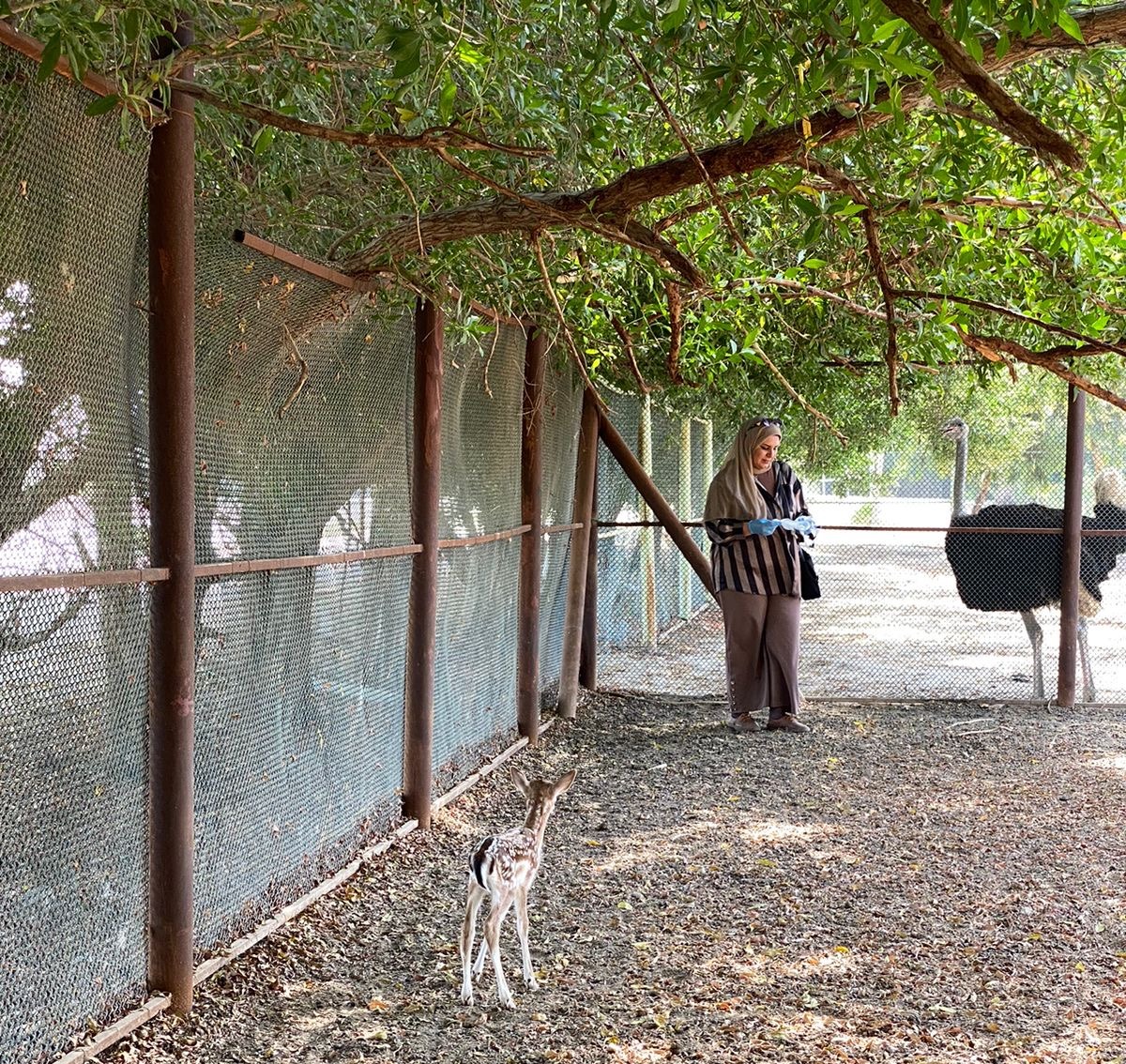
The Natural History Research Center and Museum at the University of Baghdad organized a field trip to the nature reserve in Al-Mahawil District, Hilla Governorate (Babylon) on Tuesday, February 17, 2026. The trip was led by Assistant Lecturer Maryam Majid from the Vertebrate Department.
The field trip aimed to conduct a field study in the Al-Mahawil Nature Reserve in Hilla Governorate to collect biological samples from some animals and their surrounding environment for scientific research purposes. The trip included a preliminary survey of the animals in the reserve and documentation of their biodiversity, in addition to collecting samples to study internal and external parasites that may affect some animal species, particularly mammals and birds.
The study also included diagnosing some potential disease cases through visual examination and the collection of laboratory samples, with a focus on identifying the parasitic species prevalent in the reserve’s natural environment. These procedures aim to support scientific studies related to animal parasites and the environment, as well as to explore the potential use of some natural plant extracts as possible antiparasitic agents in applied research. The study recommends the necessity of conducting regular environmental and health monitoring programs for the animals in the Al-Mahawil Nature Reserve. This includes veterinary examinations and regular parasite surveys to facilitate the early detection of diseases and parasites and limit their spread among the animals.
It also recommends establishing a scientific database to document the biodiversity and parasitic species associated with the animals in the reserve. This database is crucial for supporting environmental studies and preserving local animal species. Furthermore, the study emphasizes the importance of collaboration between research institutions and relevant environmental authorities to enhance protection programs and the sustainable management of wildlife in the region.
We wish everyone success in serving the community, science, and knowledge