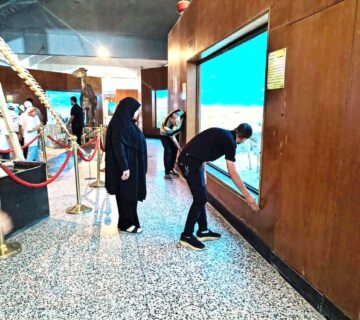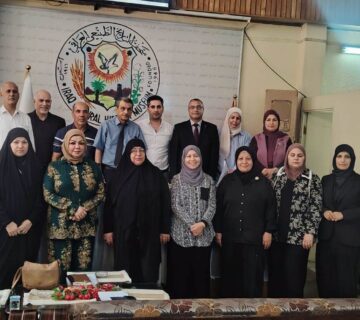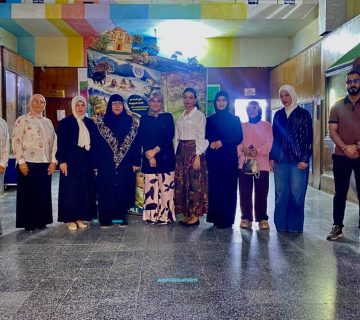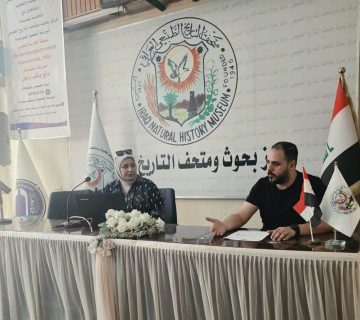

The Natural History Research and Museum Center at the University of Baghdad, with the support and guidance of the Center’s Director, Assistant Professor Dr. Hanaa Hani Al-Saffar, organized a workshop entitled “Lymphatic Filariasis” on Sunday, April 5, 2026. Assistant Lecturer Ali Kamel Wanas Al-Qaha and Lecturer Dr. Zainab Alwan Makawi facilitated the workshop.
Filariasis is a chronic parasitic disease, also known as elephantiasis, characterized by severe limb swelling caused by the parasite. This leads to significant disability and deformities, resulting in painful swellings and permanent disfigurement in various parts of the body, particularly the limbs, genitalia, and chest.
The workshop aimed to highlight this disease, which threatens more than 657 million people in 30 countries worldwide, according to 2024 data from the World Health Organization. It is considered a neglected tropical disease.
One of the most important recommendations of the workshop was to emphasize that filariasis is not merely a physical illness, but a significant social and economic burden affecting individuals and communities. Strict adherence to treatment and prevention programs is essential to effectively eradicating this neglected disease and curbing its spread, while simultaneously strengthening global efforts and realizing the dream of a filariasis-free world.
We wish all the faculty and staff of our center continued success in serving the community, science, and knowledge.