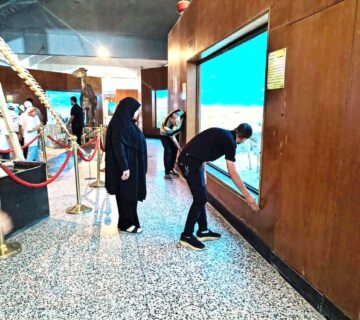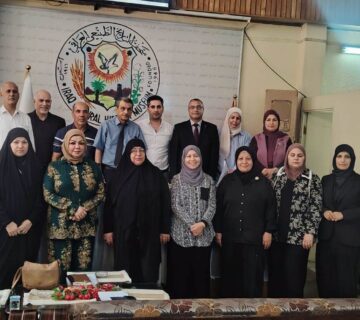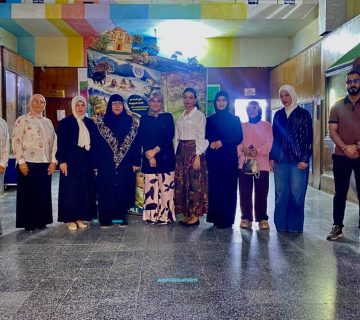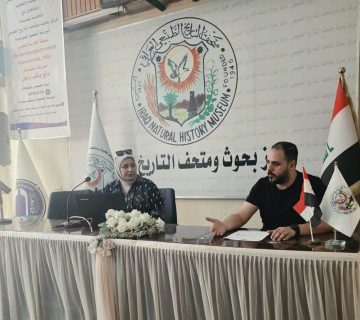

The Natural History Research Center and Museum at the University of Baghdad, with the support and guidance of the Center’s Director, Assistant Professor Dr. Hanaa Hani Al-Saffar, organized a workshop entitled “Plastic Pollution and its Impact on Fish Life” on Tuesday, June 2, 2026. The workshop was facilitated by Assistant Lecturer Ali Kamel Wanas and presented by Assistant Lecturer Suhad Hamza Mohammed Ali, with the participation of Assistant Lecturers Ali Kamel Wanas and Maab Riyadh Sajit.
Recent estimates indicate that more than 8 million tons of plastic enter the oceans annually, in addition to enormous quantities that leak into rivers and lakes. These vast amounts form what are known as “plastic patches” in the oceans, such as the Great Pacific Patch, and lead to the degradation of aquatic ecosystems. The problem is not limited to the seas alone but also includes rivers, which are major pathways for transporting plastic from land to the oceans. The workshop aimed to raise awareness about environmental pollution in general and its impact on fish, particularly plastic pollution, which threatens global food security. Plastic pollution reduces the quality of fish production and exposes consumers to health risks such as gastrointestinal disorders, hormonal imbalances, and even chronic diseases. With millions of people relying on fish as a primary source of protein, plastic pollution becomes a direct issue affecting public health and food security.
The workshop’s key outcomes include reducing the use of single-use plastics, promoting recycling programs, implementing strict environmental monitoring of water bodies, and emphasizing the need for community awareness and ongoing scientific research.
This activity contributes to Sustainable Development Goals 4 (Quality Education), 3 (Good Health and Well-being), and 14 (Life Below Water).
We wish all the instructors at our center continued success in serving the community, science, and knowledge.